Introduction
When choosing between LiFePO4 (Lithium Iron Phosphate) and traditional Lithium-ion (NMC/NCA) batteries, the decision impacts more than just cost—it defines the safety and longevity of your power system.
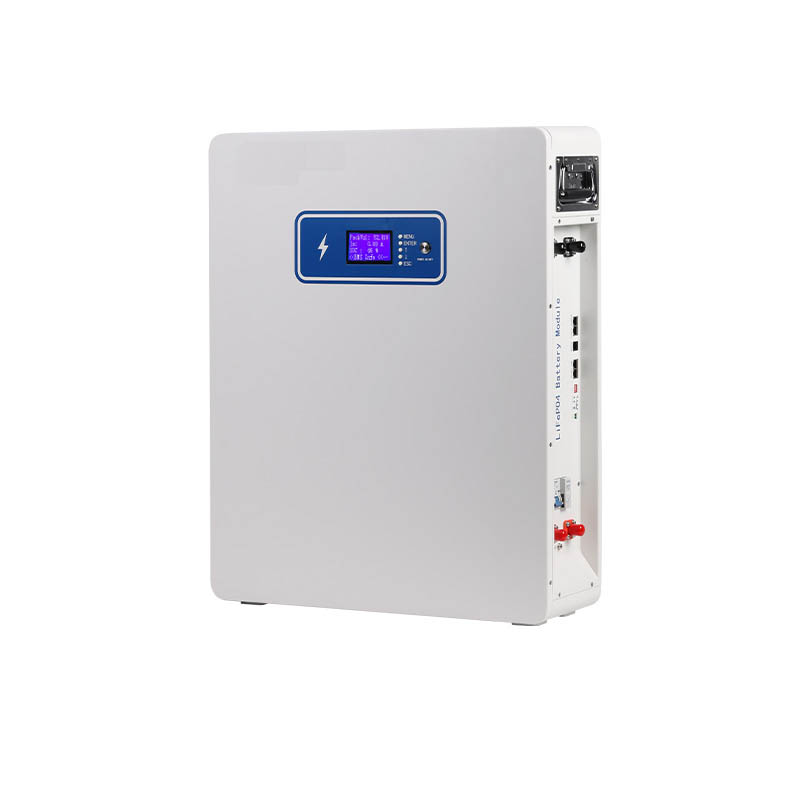
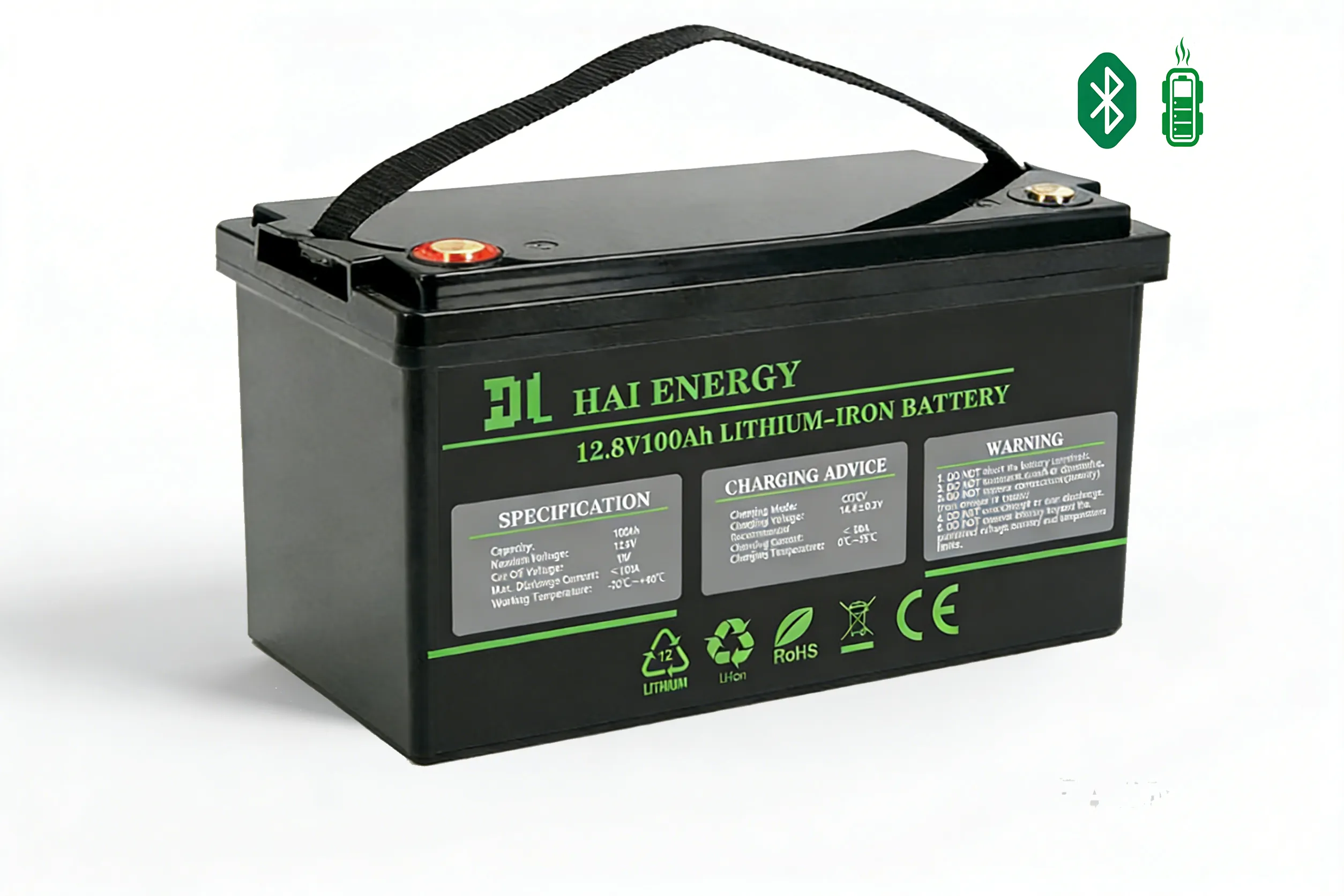
At Haineng Energy, we specialize in LiFePO4 technology because it offers the uncompromising stability required for home energy storage and professional marine use.
Key Differences at a Glance
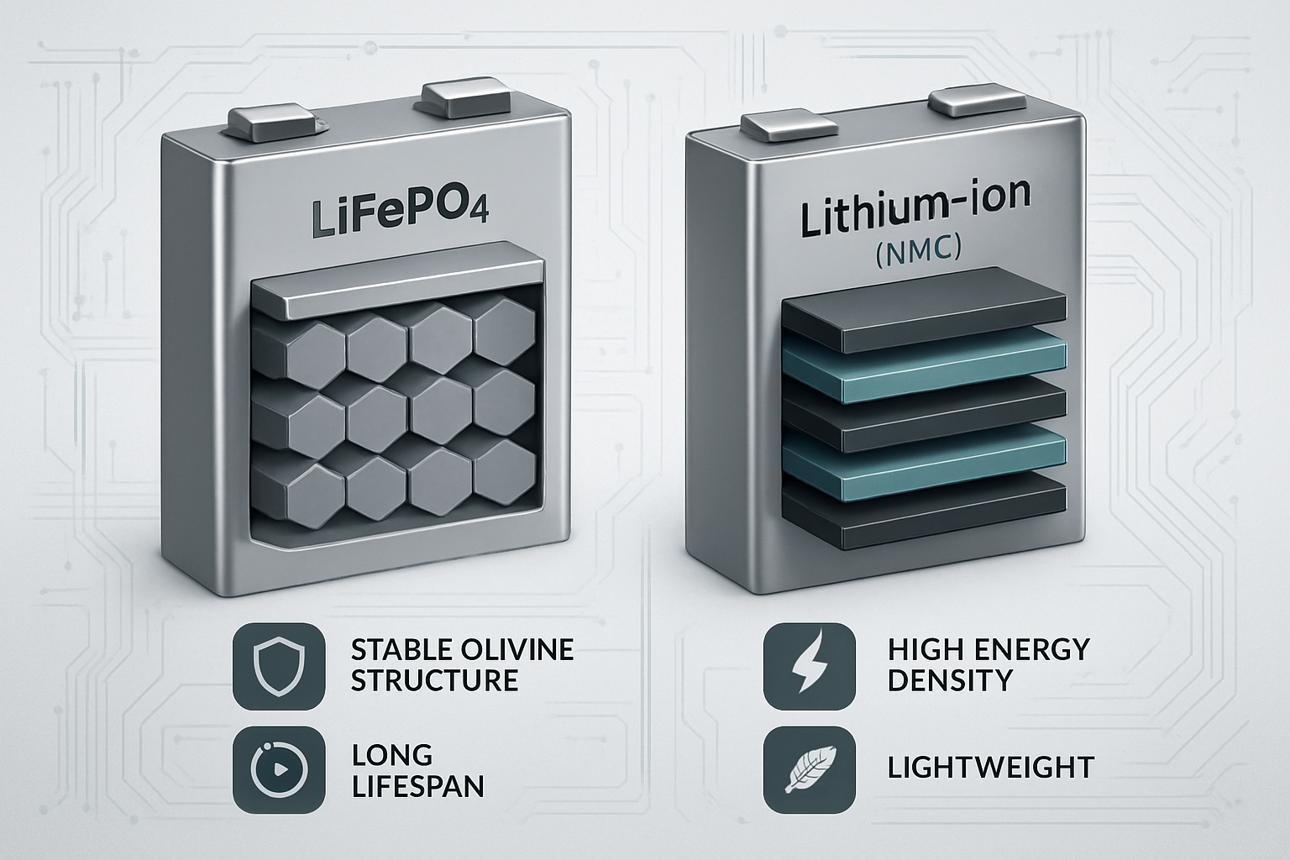
| Feature | LiFePO4 | Lithium-ion (NMC) |
|---|---|---|
| Safety | Very high – thermal runaway at about 270°C | Medium – thermal runaway at 150–210°C |
| Cycle life | Typically 4,000–6,000 cycles | Usually 500–2,000 cycles |
| Service life | Up to 10 years | 3–5 years |
| Long-term cost | Lower cost per cycle | Higher cost per cycle |
| Stability | Excellent | Moderate |
1. Safety: The Non-Negotiable Factor
The biggest difference lies in thermal stability. LiFePO4 has a thermal runaway temperature of about 270°C. It is extremely difficult to ignite, even if punctured. Lithium-ion (NMC) can reach thermal runaway at 150°C–210°C. Once a fire starts, it is much harder to extinguish.
For indoor home storage or boat compartments, we always recommend LiFePO4 to ensure peace of mind.
2. Cycle Life: ROI Over 10 Years
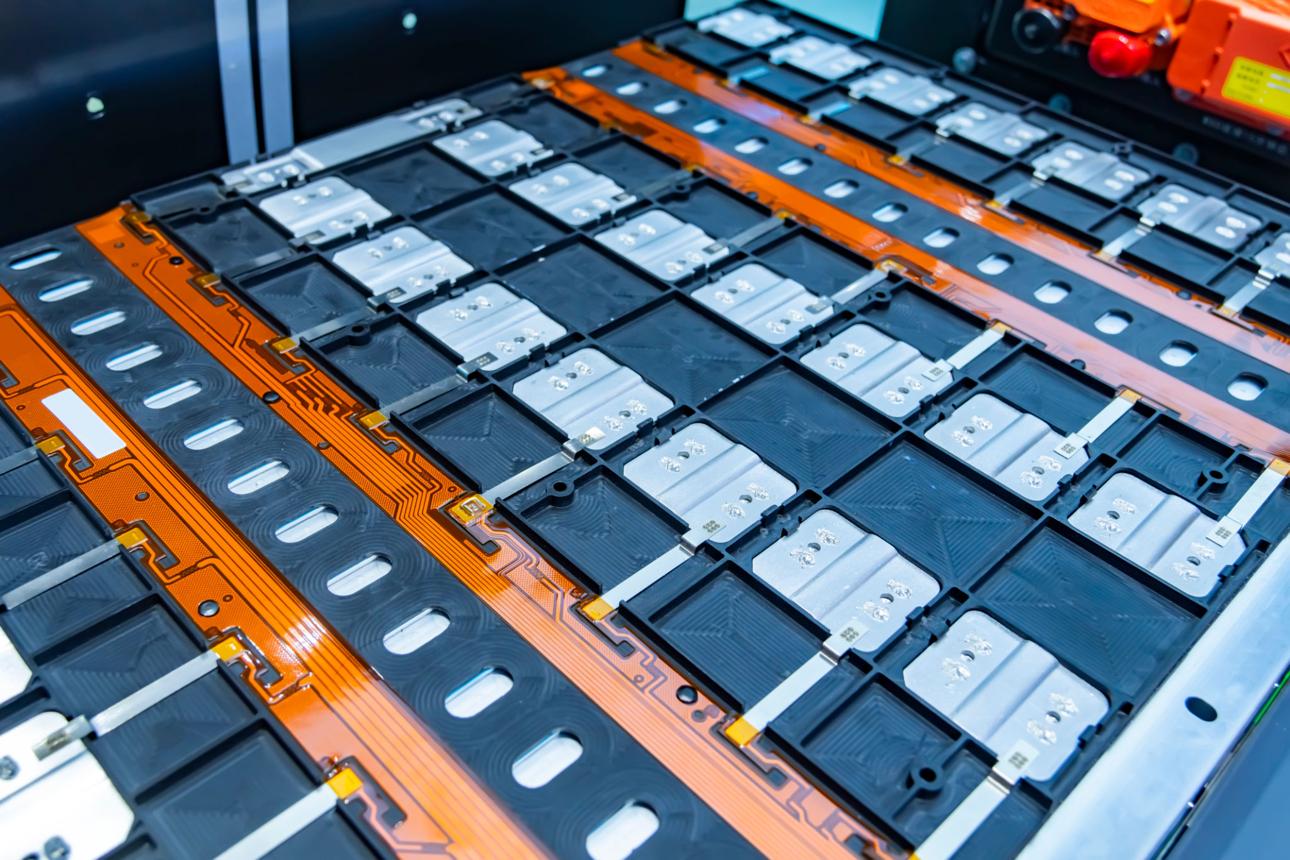
LiFePO4 typically lasts 4,000 to 6,000 cycles. If you cycle it once a day, that is over 10 years of service. Lithium-ion usually provides 500 to 2,000 cycles.
While Lithium-ion is lighter, the cost per cycle of LiFePO4 is significantly lower, making it the smarter investment for long-term projects.
3. Best Applications
LiFePO4 is ideal for:
- Solar energy storage
- Home ESS and off-grid systems
- Backup power
- RV and trolling motor applications
- Long-term projects
Lithium-ion (NMC) is a better fit when: you need extreme energy density and minimal weight, such as for drones or high-performance electric cars.
Frequently Asked Questions
Is LiFePO4 a lithium-ion battery?
LiFePO4 is a type of lithium battery, but its iron-phosphate cathode chemistry is fundamentally more stable than the nickel-based NMC/NCA chemistries that are commonly called “lithium-ion”. That chemistry difference is what gives LiFePO4 its safety and long cycle life.
How long does a LiFePO4 battery last?
Typically 4,000 to 6,000 cycles. Cycled once a day, that is more than 10 years of service, versus 3–5 years for many lithium-ion packs.
Which battery is safer for home energy storage?
LiFePO4. Its thermal runaway temperature is about 270°C versus 150–210°C for NMC, and it is extremely difficult to ignite even if punctured — a decisive factor for batteries installed indoors.
Are LiFePO4 batteries more expensive?
The upfront price is medium, but the cost per cycle is significantly lower over 10 years. For daily-cycling storage systems, LiFePO4 is usually the cheaper option in the long run.
Final Recommendation
For most energy storage applications, LiFePO4 batteries are the better choice due to safety, lifespan, and reliability.
Explore Haineng’s LiFePO4 solutions: Wholesale 48V 100Ah Solar Battery Storage · IP67 Waterproof 12.8V 100Ah RV Battery · Custom Power Tool Replacement Batteries — or contact us for OEM/ODM projects.
Related Products & Resources
- Wholesale 12.8V 100Ah IP67 LiFePO4 RV Battery Manufacturer | Haineng Energy — Further reading
- Top 10 LiFePO4 Battery Manufacturers in China (2026 Updated) | Haineng Energy — Further reading
- Lithium battery import compliance: UN38.3, CE and UL — Further reading
Need a custom specification, private label or OEM/ODM programme? Request a wholesale quotation — we reply within 24 hours.